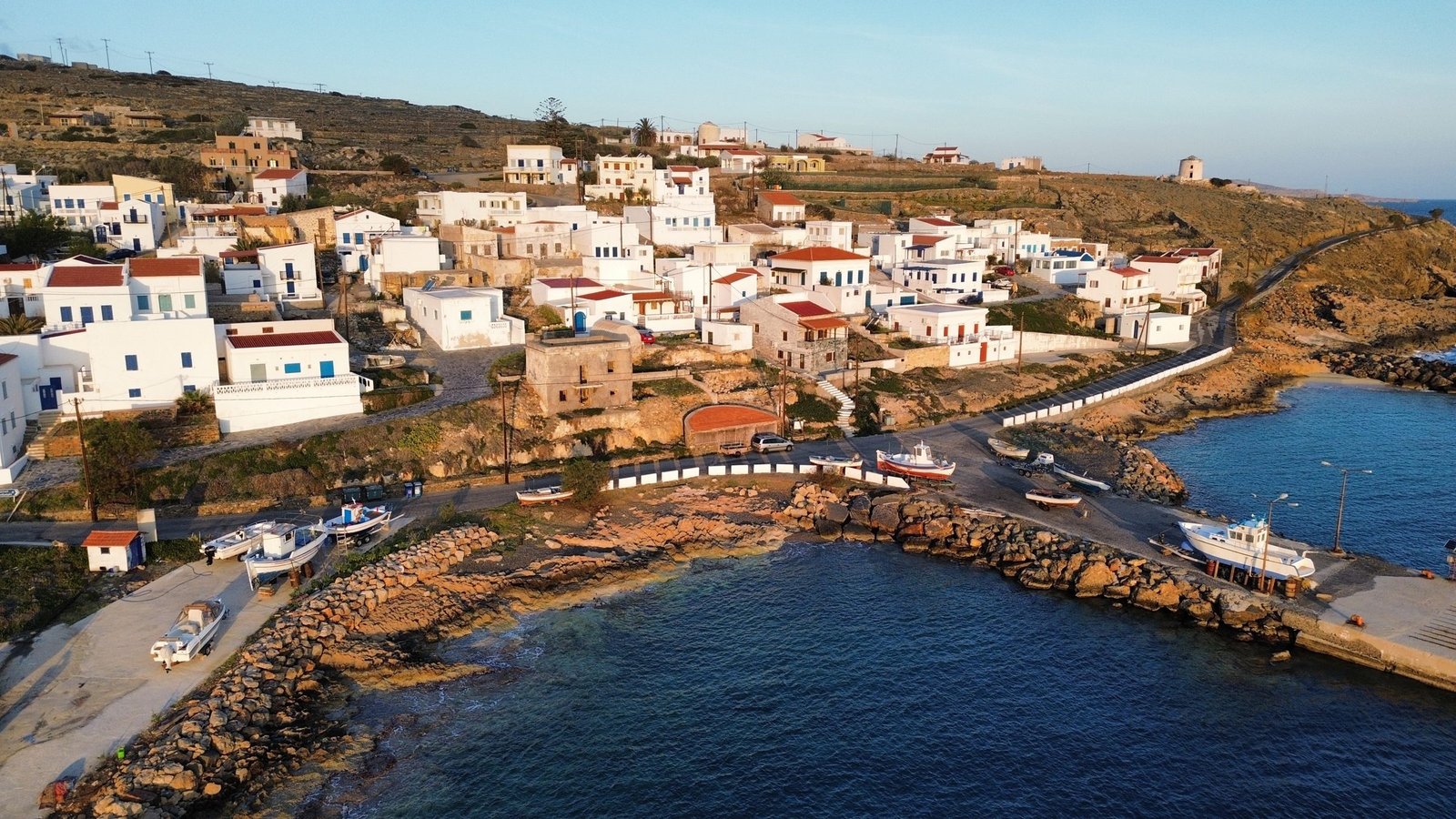
In the spring of 1824, Kasos — a small island whose sailors had created one of the most formidable fleets in the Aegean — was attacked and destroyed by Ottoman-Egyptian forces, in retaliation for its action in the Greek Revolution. What followed remains the darkest chapter in the island's history, and is commemorated to this day at the Holocaust Memorial in Fry.
The term "Holocaust of Kasos" refers to the destruction of the island by Ottoman-Egyptian forces in the spring of 1824, during the Greek Revolution. By then, Kasos had developed one of the most active fleets in the Aegean — about 100 armed ships, financed mainly by the wealth that the island's shipowners had accumulated through trade with Alexandria in the years before the revolution. With the outbreak of the struggle, Kassian ships systematically attacked Ottoman merchant and warships, while at the same time the island hosted about 600 Cretan fighters who had taken refuge there after the suppression of the revolution in Crete. This combination — a hostile fleet near Crete and an island that provided refuge for rebels — made Kasos an immediate target when the Egyptian commander Hussein turned to suppress resistance in the area.
An initial Egyptian naval attack in January 1824 was repelled by the island's artillery. On 27 May, however, a much larger force under Ismail Gibraltar returned: 25 warships, some 40 transports and around 4,000 soldiers. Cassians and Cretan refugees held defensive positions on the coast for three days. According to local tradition, the landing was ultimately successful because the enemy force was led down an unguarded path — an event that is still debated on the island, with some attributing responsibility to a specific resident, although this has never been definitively confirmed. As soon as the defense collapsed, the island was set on fire and its population was almost completely wiped out: contemporary accounts speak of about a thousand dead islanders, while many women and children were captured and later sold as slaves in the slave markets of Alexandria. It remains one of the most defining tragedies of the Greek Revolution in the Aegean, comparable in scope and impact to the destruction of Psara and Chios during the same period.
The Holocaust Memorial
The Holocaust Memorial itself is located in the square outside the Town Hall of Fry, the island’s capital, and is the work of sculptor Anatolios Lazaridis. It serves as a natural reference point for the memory of the events of 1824 — where Kasos holds its annual commemoration of the massacre.
Sources
The information on this page is based on the following sources:
- kasos1824.gr: 201 Years since the Holocaust of Kasos
- Kasos Tours: Kasos Tours — Experiences and Activities in Kasos